
Reviewed · MUSEUMS
Copenhagen: Danish War Museum Entry Ticket
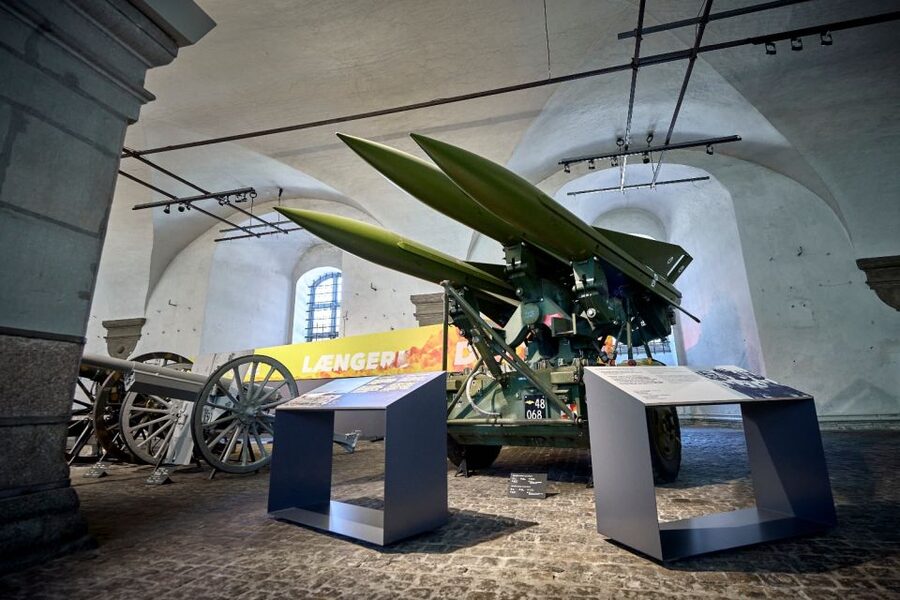
History can stretch a very long way. Copenhagen’s Danish War Museum brings centuries of Danish warfare into the old Tøjhus arsenal, where armor, weapons, naval stories, and modern military technology fill a remarkable 163-meter hall. For about $20, you can trace Denmark’s conflicts from the 1500s through World War II, the Cold War, Afghanistan, and today’s drone warfare.
I like the museum’s spectacular first-floor hall, the longest room in the Nordic countries, and its mix of grand displays with odd, memorable objects. A ship model made from bones and a 150-year-old biscuit can stick in your mind longer than another wall of dates. I also like the chance to sit in a hammock and hear Danish stories from the seven seas, a welcome change of pace from weapons and battle maps.
The main drawback is practical: there is currently no elevator to the first-floor exhibitions. You may bring your own wheelchair or baby carriage, but reaching that upper level can still be difficult. If access is important for your visit, contact the museum before booking and plan around this limitation.
In This Review
- Key things to know before visiting
- Entering the 1604 Tøjhus arsenal
- From knightly armor to Denmark’s wars with Sweden
- The strange objects that make the collection memorable
- Hammocks, sea stories, and a change of pace
- World War II, the Cold War, and modern Denmark
- The drone exhibition asks what war becomes next
- How long should you allow for the visit?
- Is the $20 ticket good value?
- Who will enjoy the Danish War Museum most?
- My verdict on this Copenhagen museum visit
- FAQ
- Where is the Danish War Museum located?
- How much does admission cost?
- How long is the ticket valid?
- What does the ticket include?
- Can I cancel my booking for a refund?
- Can I reserve now and pay later?
- Is there an elevator to the first-floor exhibitions?
- Can I bring a wheelchair or baby carriage?
- What periods and subjects does the museum cover?
Key things to know before visiting
- The 163-meter first-floor hall gives the museum its biggest visual moment and plenty of room for large displays.
- The Tøjhus arsenal dates from 1604, when Christian IV built it to store weapons.
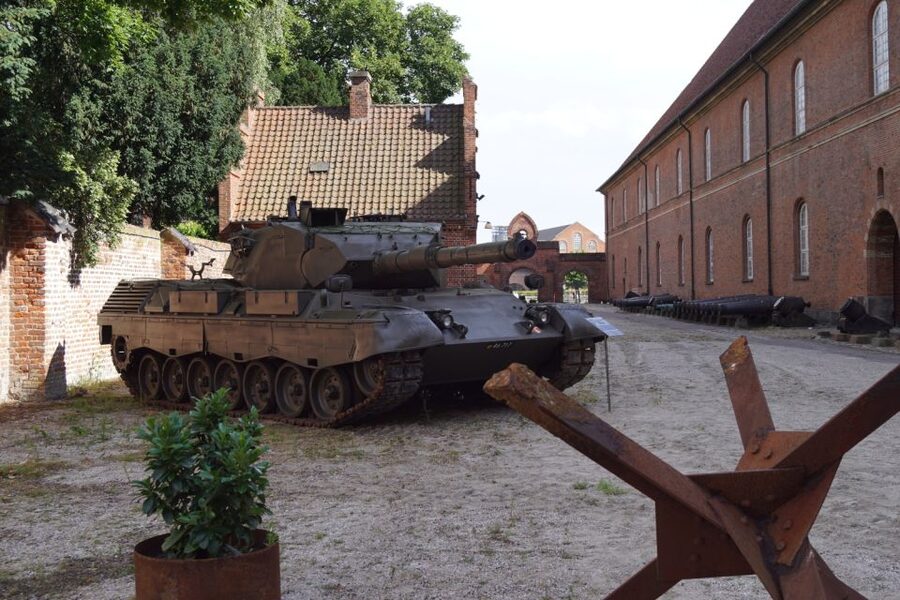
- The collection reaches from shining knightly armor to Afghanistan, so the visit connects old warfare with recent events.
- A hammock and Danish sea stories offer a quiet, unusual pause among the military exhibits.
- The drone exhibition asks difficult modern questions, including how unmanned weapons may change future battlefields.
- The $20 ticket is best value for history-minded visitors who plan to spend time with both the famous objects and the detailed displays.
Entering the 1604 Tøjhus arsenal
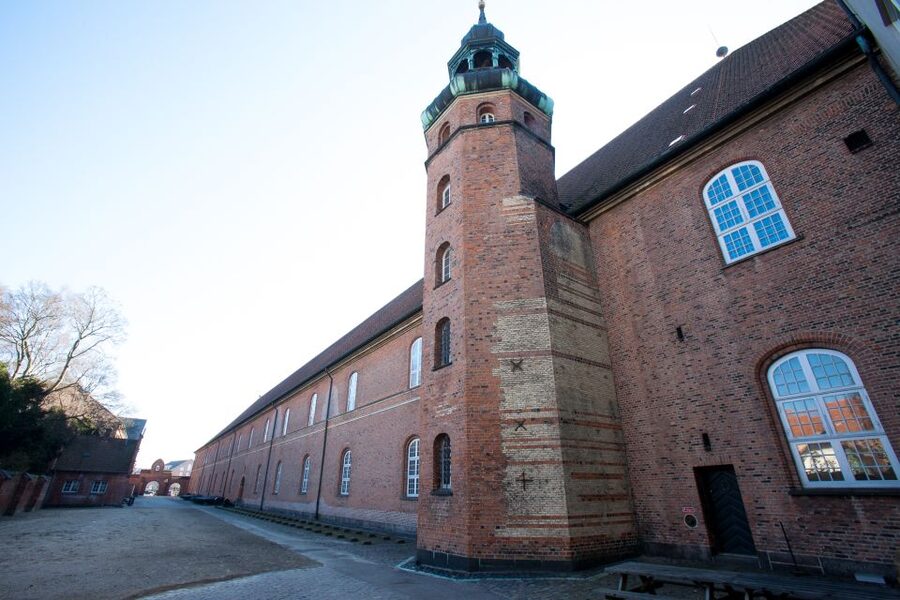
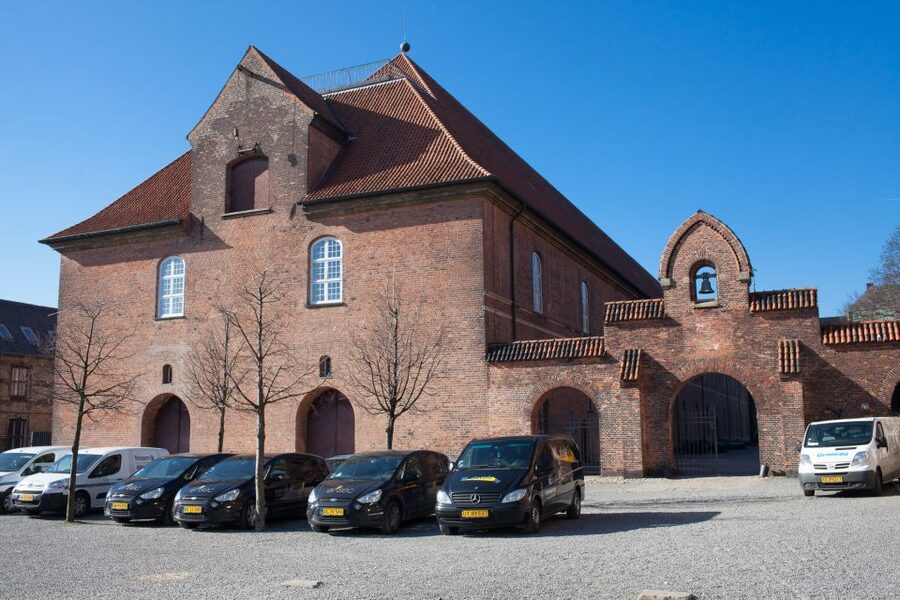
The building is part of the experience. The museum occupies the historic Tøjhus, or Arsenal, built by Christian IV in 1604. Its original purpose was practical: this was a place for storing military equipment, not a palace designed for royal show.
That setting gives the museum a strong sense of purpose before you reach the displays. You are not looking at weapons in a modern exhibition box with no connection to their original use. The building itself was made for Denmark’s military needs.
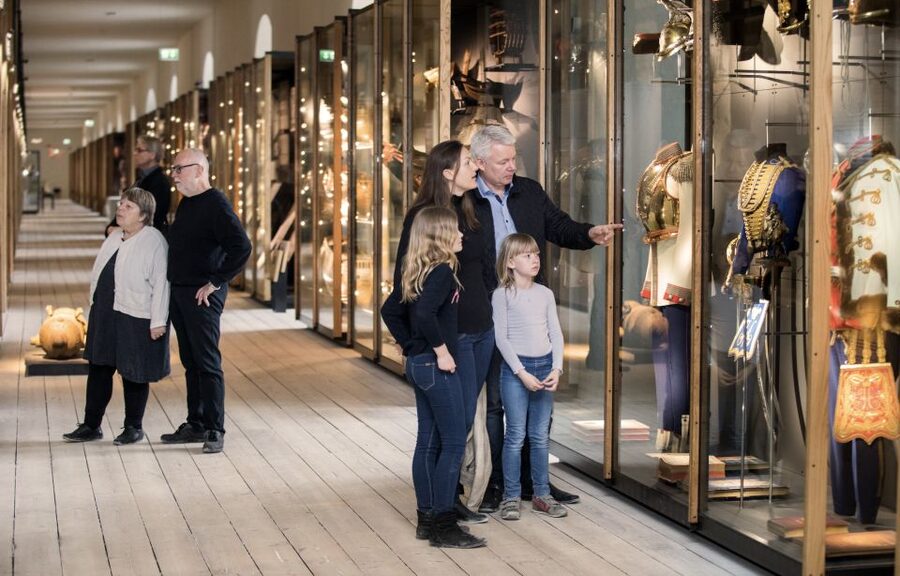
The first-floor hall is the museum’s great architectural feature. At 163 meters long, it is the longest room in the Nordic countries. You can expect a broad, extended route through the collections rather than a series of small rooms. The scale helps you understand why armies needed vast stores of equipment, and it gives large objects room to be seen properly.
The long hall can also make the visit feel less rushed. You can move from one period to the next at your own speed, pause at objects that catch your eye, and return to displays without feeling that you have missed the entire museum. The drawback is that the first floor requires access by stairs, with no elevator currently available.
More Museums in Copenhagen:
- Copenhagen: National Museum of Denmark Entry Ticket
★ 4.5 · 960 reviews - Copenhagen: Amalienborg Palace Museum Entry Ticket
★ 4.3 · 291 reviews - Exhibition – Home of Carlsberg
★ 4.5 · 281 reviews
From knightly armor to Denmark’s wars with Sweden
The earliest displays provide a visual entry point through armor and weapons. The shining armor of 15th-century Danish knights is the sort of material that appeals even if you are not a military-history expert. You can see how much effort went into protection, appearance, and status before firearms changed the character of European warfare.
The armor also helps make the past concrete. Dates and political alliances can blur together, but a suit of metal armor shows you what a soldier actually wore and carried. Look at the shape, weight, and finish rather than treating it as mere decoration.
The museum then moves into Denmark’s conflicts in the 17th century, including wars with Sweden. These displays place military events in a national setting. You are not simply seeing weapons from a broad European collection. You are following the wars that shaped Denmark’s position and identity.
The 19th-century conflict with England adds another turn. The museum uses these periods to show how Denmark faced different opponents and changing military methods. You may find this section most rewarding if you take time to connect the objects with the wider questions of power, territory, and national survival.
This part of the visit is useful for first-time visitors to Denmark because it adds background that is often missing from a standard city sightseeing route. Copenhagen’s canals, palaces, and old streets tell one side of the country’s story. The museum explains the pressure and conflict behind much of Europe’s political past.
The strange objects that make the collection memorable
Military museums can become a blur of rifles, uniforms, and formal portraits. This one has several unusual pieces that break up the expected pattern.
A ship model made of bones is one of the museum’s most curious objects. It invites questions about who made it, why it was made, and how people used small craftwork to pass time or preserve memories. Even without knowing every detail, the material alone makes it worth stopping for.
A 150-year-old biscuit offers another unexpected connection with daily military life. It is a small object, but it points to a basic truth about armies: food, supplies, and endurance matter as much as weapons. A preserved biscuit may seem funny at first, yet it can help you picture the unglamorous side of service more clearly than a grand ceremonial display.
The collection also includes the world’s only complete example of a uniform from the American Civil War. That object broadens the museum’s reach beyond Denmark while keeping the focus on what military clothing tells you. A complete uniform can reveal rank, practical needs, materials, and the way an army wanted its soldiers to look.
These exhibits are especially helpful if you are visiting with children or with someone who does not normally choose military museums. The odd details give you easy conversation points. You do not need to know every battle to appreciate a bone ship, an old biscuit, or an intact uniform.
Hammocks, sea stories, and a change of pace
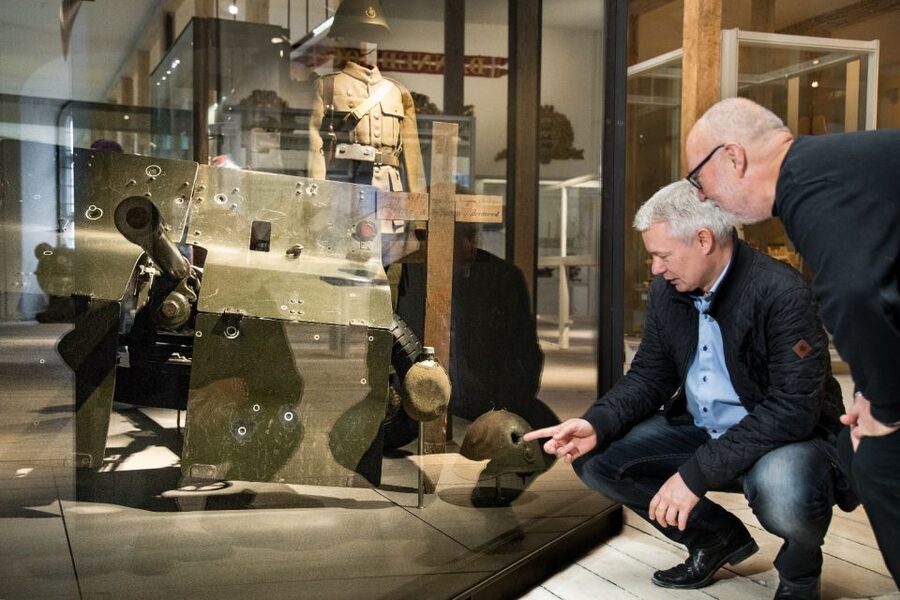
The hammock area is one of the museum’s most distinctive touches. You can sit back and listen to Danish stories from the seven seas, giving your feet a rest while connecting military life with Denmark’s long relationship with the sea.
This matters because the museum is not only about battlefield combat. Denmark’s location and maritime traditions are part of the country’s military story. The hammock brings a more human and atmospheric note to a visit that could otherwise feel heavy with weapons and campaigns.
I would use this area as a planned pause rather than something to rush past. The long first-floor route contains plenty to see, and a short rest can help you pay attention later. It is also a useful feature for families, since children may appreciate the chance to listen and relax instead of moving from case to case.
The sea stories will not replace the main exhibitions, but they add variety. The best museums understand that visitors need changes in pace. Here, the hammock provides one without breaking the connection to Denmark’s military and maritime past.
A few more Copenhagen tours worth putting side by side
- Copenhagen: Home of Carlsberg Experience Entry Ticket
★ 4.7 · 1,009 reviews - Copenhagen: Copenhagen Zoo Entry Ticket
★ 4.6 · 708 reviews - Copenhagen Bus and Boat ticket, Valid 48 Hours
★ 4.0 · 565 reviews - Copenhagen: Rosenborg Castle Entry Ticket
★ 4.6 · 381 reviews
World War II, the Cold War, and modern Denmark
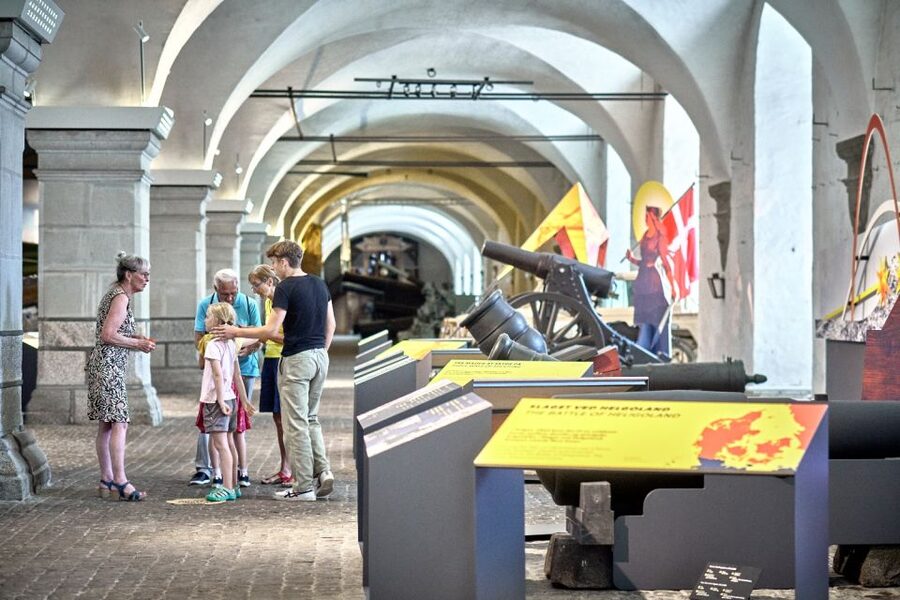
The museum continues into the 20th century, covering the effect of World War II and the Cold War on Denmark. These subjects are closer to living memory than medieval armor, and they can feel more immediate.
World War II displays help place Denmark within the wider European conflict. The Cold War section then shifts the focus from open warfare to fear, tension, preparation, and the possibility of a conflict that might never happen. Together, these periods show how military history is not always a sequence of battles. Sometimes it is about uncertainty and the pressure of being ready.
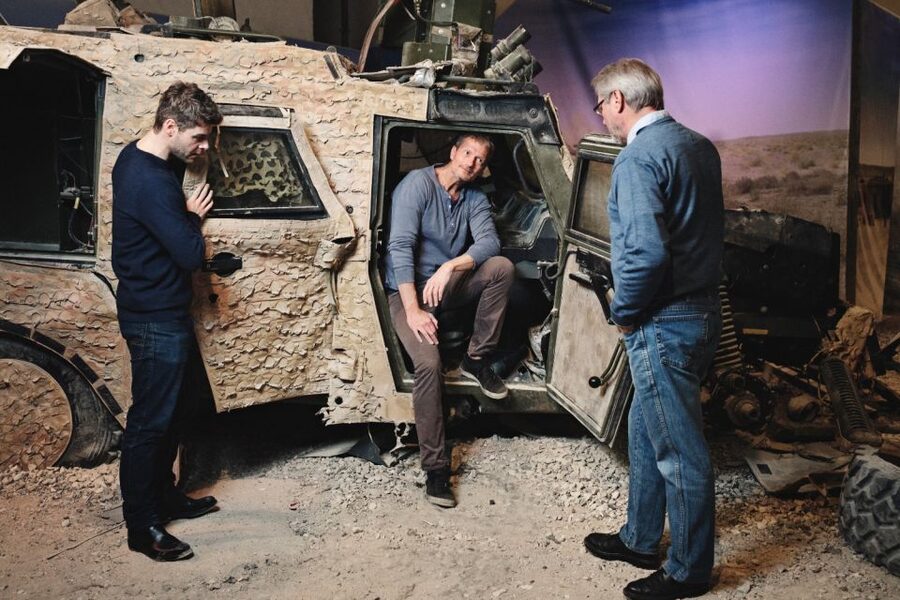
The move into the modern period includes Denmark’s role in 21st-century conflicts, including the war in Afghanistan. A Danish military vehicle that ran over a roadside bomb is among the most striking objects. Everyone inside survived, which gives the vehicle a powerful human angle. You are seeing damage not as an abstract mark on metal, but as evidence of an event that could have ended very differently.
This section may deserve extra time. Older weapons can feel distant, but the Afghanistan material brings the cost and risk of military service into the present. It also helps you consider how Denmark’s armed forces operate beyond the country’s borders.
The drone exhibition asks what war becomes next
The new exhibition about drones is the museum’s most current section. It looks at whether drones have changed the way wars are fought and what they may mean for future battlefields.
The subject is timely because unmanned aircraft now appear in news reports and battlefield videos from Ukraine and other conflicts. The exhibition considers how drones use cameras and sensors to watch people, locate targets, and drop bombs. The point is not just technical fascination. It is also the fear created when soldiers and civilians know they may be watched from above.
The display raises several hard questions. Could drones become independent killing machines? Can Denmark’s current defense systems stop a drone attack? How safe can people feel when an aircraft can observe them without a pilot visible overhead?
You should expect this section to be more reflective than the older galleries. The museum is not only asking you to admire technology. It is asking you to consider how technology changes responsibility, distance, and the experience of war.
For many visitors, this may be the most valuable part of the visit because it connects the museum’s old weapons to events that are still unfolding. The suit of armor shows how soldiers once protected themselves. The drone displays ask whether future soldiers may fight through screens and sensors instead.
How long should you allow for the visit?
The ticket is valid for one day, so you are not forced into a short timed visit. Starting times are based on availability, so check the schedule when planning your day.
The museum’s published duration is one day, meaning the ticket gives you access for that day rather than describing a fixed guided tour length. You can decide how much time to spend with each period. A quick visit could focus on the long hall, armor, unusual objects, Afghanistan, and drones. A slower visit would allow room for the sea stories and closer reading of the displays.
I would avoid squeezing the museum between two tightly scheduled attractions. The long hall alone deserves time, and the material ranges across more than five centuries. If you rush, you may see the largest objects but miss the small details that give the collection personality.
The museum works well on a rainy Copenhagen day because much of the interest is indoors. It also makes a useful stop for anyone who wants something beyond the city’s best-known royal and design attractions.
Is the $20 ticket good value?
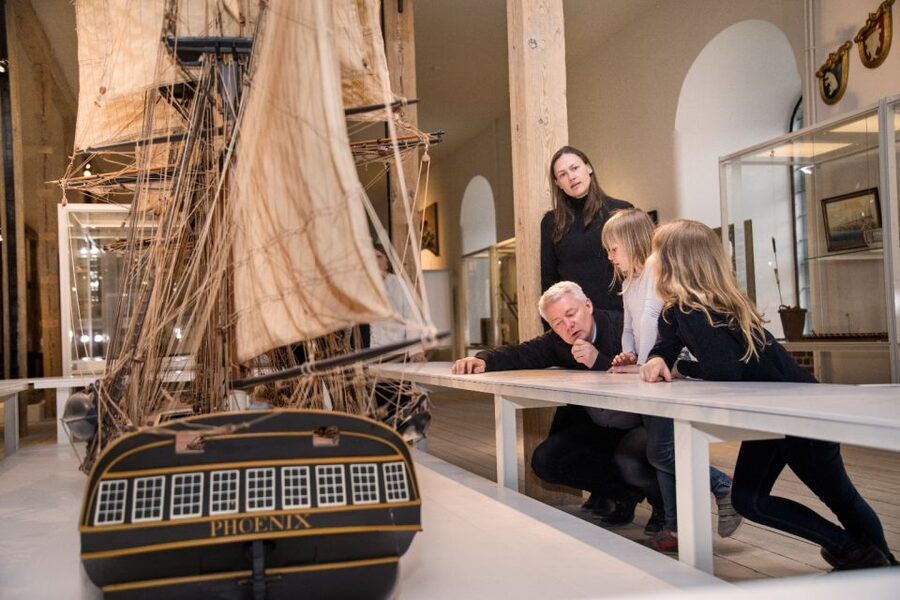
At about $20 per person, admission is reasonable if you have a real interest in Danish history, military technology, or unusual museum objects. The value comes from the range: one ticket takes you from medieval-style armor to present-day drone warfare.
You are also paying for access to a historic arsenal, not only a standard gallery. The architecture gives the visit a strong setting, while the 163-meter hall provides a memorable sense of scale.
The price may feel less worthwhile if you only want a quick look at famous objects. This is not a tiny collection that you can fully understand in fifteen minutes. You get more from the ticket when you read the explanations, pause at the human details, and give the Afghanistan and drone sections proper attention.
The flexible booking terms improve the practical value. You can reserve now and pay later, and cancellation is available up to 24 hours in advance for a full refund. Those options help if your Copenhagen schedule is still changing.
Who will enjoy the Danish War Museum most?
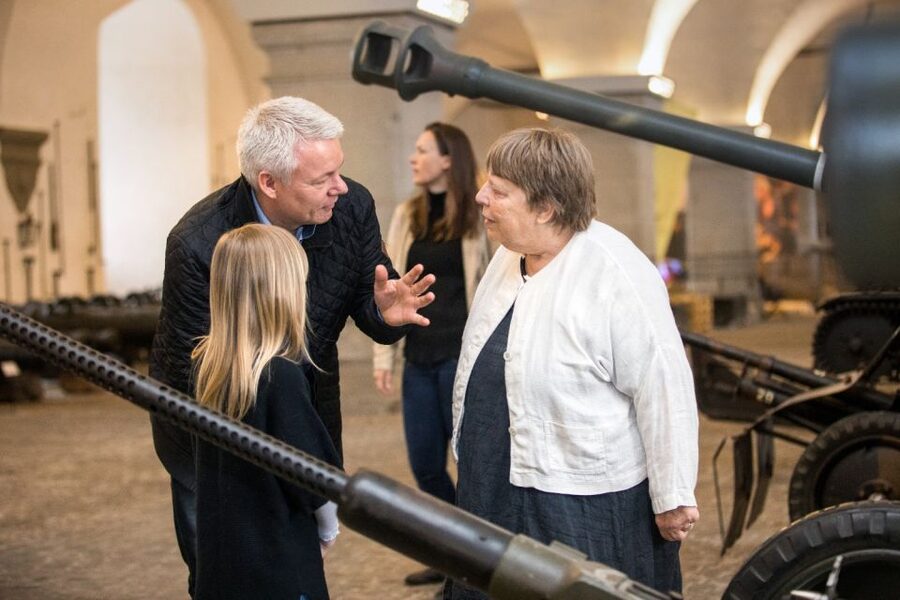
I would recommend this museum to you if you enjoy:
- Danish and European military history
- Historic buildings with a clear original purpose
- Armor, uniforms, weapons, and unusual artifacts
- World War II and Cold War subjects
- Modern conflicts and military technology
- Museums that raise ethical questions rather than only displaying objects
- Family outings with interactive or restful features such as the hammock
It is also a good choice if you want a fuller picture of Denmark. The museum shows that Danish history is not only castles, canals, and pleasant streets. It includes conflict, defense, overseas service, and the hard choices created by new weapons.
You may want to choose another attraction if stairs to the first floor are not manageable, since there is no elevator to the upper exhibitions. Bring your own wheelchair or baby carriage if needed, but remember that bringing equipment does not solve the problem of reaching that level.
My verdict on this Copenhagen museum visit
I like the Danish War Museum because it combines scale, age, and variety. The 1604 arsenal gives the visit a genuine setting, while the long hall makes the collection feel substantial. The bone ship, old biscuit, complete American Civil War uniform, and hammock stories keep the experience from becoming a dull parade of military hardware.
The strongest displays are the ones that connect objects to real people. The damaged Afghan vehicle, World War II and Cold War material, and drone exhibition all ask you to think about danger beyond the display case.
You should book this experience if you want more than a quick photo stop and can manage the first-floor access. At $20, it is a solid choice for history-minded visitors, families with curious children, and anyone interested in how warfare has changed from armor and ships to sensors and unmanned aircraft.
FAQ
Where is the Danish War Museum located?
The museum is in Copenhagen in Denmark’s Zealand Region. It occupies the historic Tøjhus arsenal building.
How much does admission cost?
The listed price is $20 per person.
How long is the ticket valid?
The museum ticket is valid for one day.
What does the ticket include?
The ticket includes admission to the Danish War Museum.
Can I cancel my booking for a refund?
Yes. You can cancel up to 24 hours in advance for a full refund.
Can I reserve now and pay later?
Yes. The booking option allows you to reserve your place and pay nothing at the time of booking.
Is there an elevator to the first-floor exhibitions?
No. There is currently no elevator to help visitors reach the first-floor exhibitions.
Can I bring a wheelchair or baby carriage?
Yes. You may bring your own wheelchair or baby carriage, although the lack of an elevator can affect access to the first floor.
What periods and subjects does the museum cover?
The museum covers Danish military history from the 1500s to the present, including wars with Sweden, the 19th-century conflict with England, World War II, the Cold War, Afghanistan, and modern drone warfare.
Newly added in Copenhagen
- Castles of Kronborg and Frederiksborg from Copenhagen by Car★ 4.5 · 3 reviews
- Private Transfer Copenhagen Airport CPH to Copenhagen by Sedan★ 4.5 · 3 reviews
- Copenhagen: Old Town and Nyhavn Private Family Tour★ 4.7 · 3 reviews
- Copenhagen: Evening Gourmet Walk with Food & Drinks Tasting★ 5.0 · 3 reviews
- Copenhagen Craft BeerWalk City Center★ 4.4 · 3 reviews
- The Forgotten Giants Private Tour★ 5.0 · 3 reviews
- Copenhagen: Express Walk with a Local in 60 minutes★ 4.6 · 3 reviews
- Departure by Luxury Vehicule Copenhagen to Copenhagen airport CPH★ 5.0 · 3 reviews
Museums, compared.

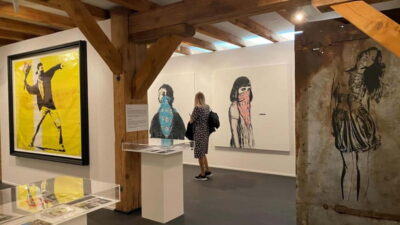

MACA Museum ‘Banksy & Street Art: The Early Years’ Art Exhibition
Read our review →
Jewish Walking Tour of Copenhagen and Danish Jewish Museum
Read our review →Browse the lists this tour appears in