
Reviewed · STREET ART & HIDDEN GEMS WALKS
Copenhagen: Highlights and Hidden Gems Walking Tour
Copenhagen rewards walkers. This three-hour tour links Nyhavn, royal palaces, Strøget, and Christiansborg in one tidy route, giving you a useful first look at the city without wasting time on transport. I like the mix of famous sights and smaller cultural details, including the Lur Blowers monument beside City Hall.
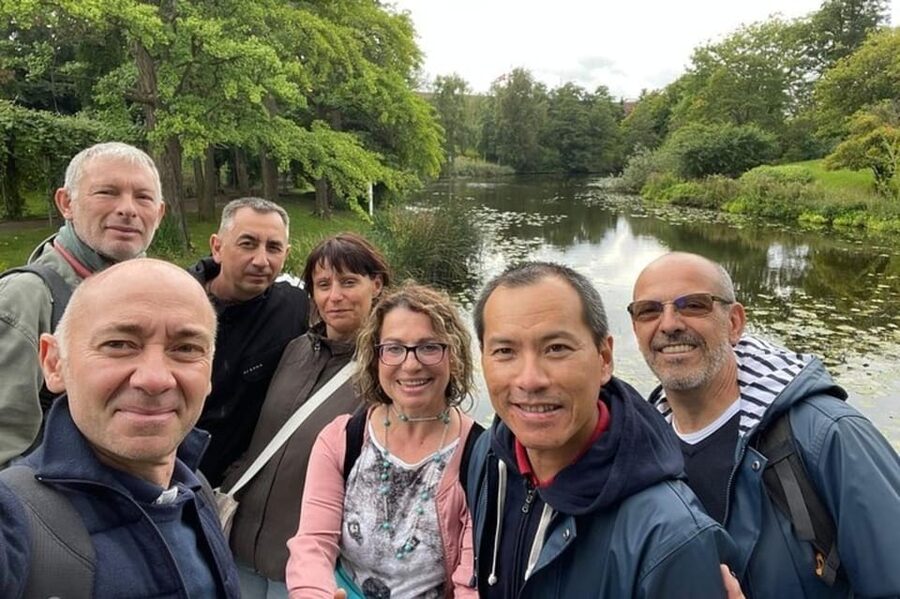
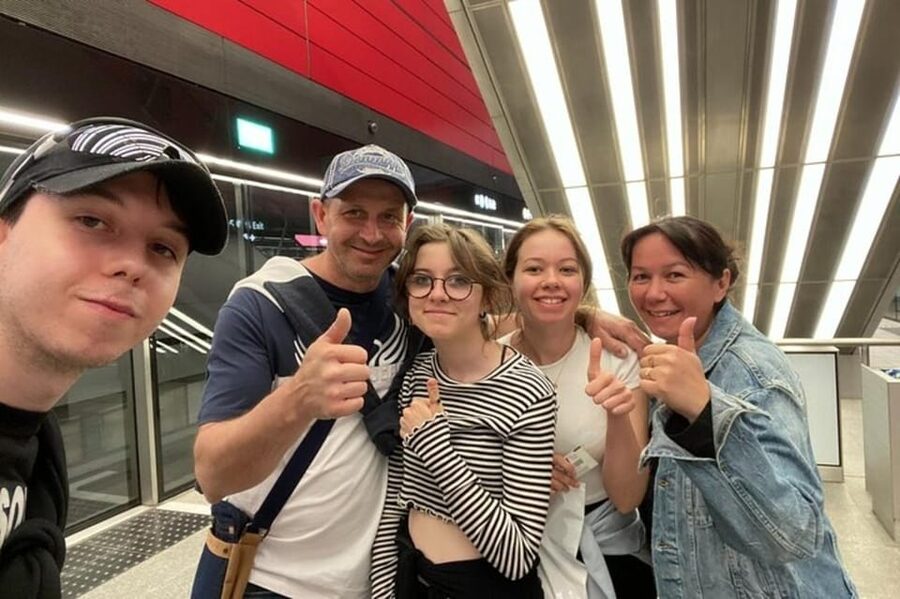
I also like the guide-led format, especially for first-time visitors who want more than pretty photographs. Guides such as Simona, Mood, and Frédéric have been praised for warmth, strong local advice, and the ability to adjust explanations to a group’s interests. The main consideration is simple: the tour is a walking overview, so you should not expect extended interior visits to the palaces or churches.
In This Review
- Key points to know before you book
- A useful first look at Copenhagen in three hours
- Starting on Studiestræde and finding your bearings
- Strøget: Copenhagen’s shopping spine
- Christiansborg Palace and the political center
- Magasin du Nord and the city’s everyday side
- The Royal Danish Theatre and the royal quarter
- Frederiks Kirke, the Marble Church
- Amalienborg Palace and royal Copenhagen
- Nyhavn: the colorful finish
- The Lur Blowers and Danish heritage
- What $58 buys you
- Which guide language and tour format fit you best?
- Who should book this Copenhagen walk?
- Should you book the Highlights and Hidden Gems Walking Tour?
- FAQ
- Where does the Copenhagen walking tour start?
- How long does the walking tour last?
- What sights are included?
- Is the tour private or shared?
- Which languages are offered?
- Is the tour wheelchair accessible?
Key points to know before you book
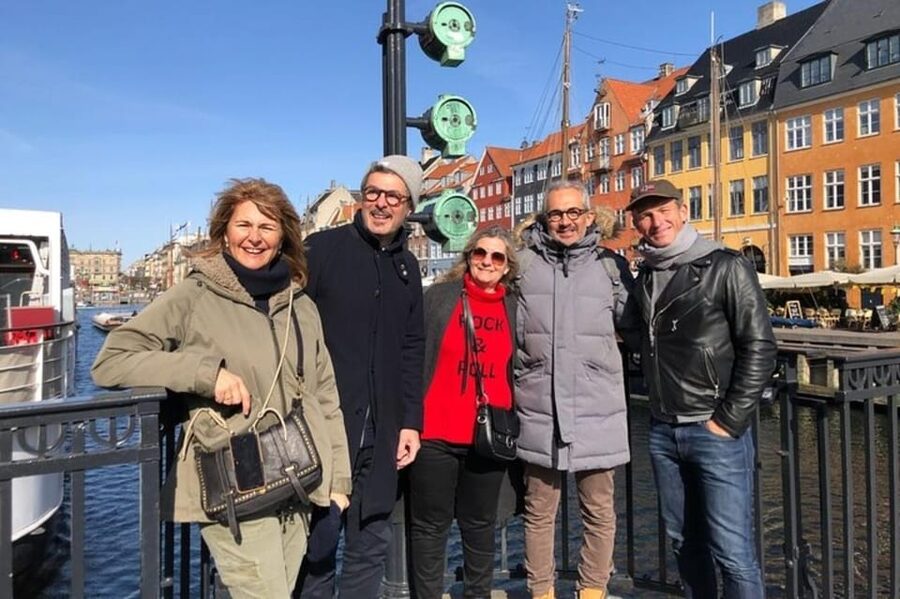
- Nyhavn closes the route with Copenhagen’s most photogenic waterfront, lined with colorful 17th and 18th-century townhouses and cafés.
- The three-hour route covers major sights at a steady pace, including Strøget, Christiansborg Palace, Magasin du Nord, the Royal Danish Theatre, Amalienborg Palace, and Frederiks Kirke.
- Guide quality is the heart of the experience, with Simona, Mood, and Frédéric receiving especially warm praise for friendly, flexible guiding.
- The tour begins at Studiestræde 52, a central starting point that helps you get oriented before heading toward the main sights.
- You can choose a shared tour or a private group, with live guiding available in English, French, Italian, and Spanish.
- At $58 per person, the value depends on how much you want historical context, local suggestions, and an efficient route rather than a simple self-guided walk.
A useful first look at Copenhagen in three hours
I see this tour as a good opening chapter for a Copenhagen stay. It does not try to show you every corner of the city. Instead, it connects several central landmarks so you can understand how the shopping streets, royal quarter, waterfront, and political center fit together.
That matters because Copenhagen can feel easy to explore but less easy to read. You may recognize Nyhavn from photographs, yet still wonder where the royal palaces sit, how Strøget connects to the older center, or why certain monuments matter. A local guide gives those places a human frame.
The route is also practical. You spend the time walking rather than boarding buses or waiting for traffic. Each stop is listed for about 30 minutes, although the exact balance will depend on the guide, the group, and how many questions you ask. You should expect sightseeing and photo stops, not long museum-style visits.
The tour is offered as either a private or shared experience. A shared group usually gives you a sociable introduction at a lower overall cost, while a private booking makes more sense if you want the guide to shape the conversation around your family, interests, or pace.
More back-street walks in Copenhagen:
- Politically Incorrect Private Highlights Walking Tour
★ 5.0 · 1,244 reviews - Politically Incorrect Beer Walk
★ 5.0 · 516 reviews - Copenhagen: Old Canals and Hidden Gems Social Boat Tour
★ 4.7 · 342 reviews
Starting on Studiestræde and finding your bearings
Your meeting point is Studiestræde 52. Starting here gives the tour a central base rather than dropping you straight beside the most photographed sight in town.
I like this kind of beginning because it lets the city reveal itself in stages. You start in the central streets, then move toward the larger landmarks and royal district. Your guide can also help you build a mental map of Copenhagen before you set off on your own later.
This is a walking tour, so sensible shoes matter. The activity is listed as wheelchair accessible, which is useful information for many visitors, though a private group may offer more flexibility if your pace or route needs special attention.
If you arrive early, use the time to locate Studiestræde 52 clearly. The meeting point is specific, and beginning calmly is better than rushing into a three-hour walk.
Strøget: Copenhagen’s shopping spine

Strøget receives the first major portion of the walk, with about 30 minutes set aside for a visit, guided sightseeing, and photographs. This famous shopping street is more than a place for department stores and polished storefronts. It is one of the clearest routes through the center of Copenhagen.
The guide’s role here is useful. A shop window tells you what is for sale, but a local explanation can point out how the street fits into the city’s daily life and Danish habits. This is also a good place to ask for practical suggestions about cafés, shops, and later stops.
Do not expect a dedicated shopping session. The tour is designed to show you the street and explain its place in Copenhagen, not give you time to browse every store. If you want to return for shopping, ask your guide which sections deserve another look.
I would pay attention to how the route changes as you move from commercial Copenhagen toward the royal quarter. That shift helps make the city feel connected rather than like a string of unrelated photo stops.
Christiansborg Palace and the political center
Christiansborg Palace is another 30-minute stop. The palace is closely tied to Denmark’s political and royal life, and it gives the tour a chance to explain more than architecture alone.
The important practical point is that this experience promises a stop, guided sightseeing, and photographs. It does not promise an interior palace tour. You should plan on seeing Christiansborg from the outside unless your guide confirms otherwise.
That arrangement works well for a first-day orientation. You can learn why the palace matters, see its position in the center, and decide if you want to return for a longer visit during your stay. If royal rooms or formal interiors are high on your list, allow separate time for them.
I like this stop because it adds weight to the walk. Nyhavn supplies color and atmosphere, while Christiansborg shows the institutional side of the capital. Together, they give you two very different pictures of Copenhagen.
More Walking Tours in Copenhagen:
- Private Walking Grand Tour of Copenhagen
★ 5.0 · 3,953 reviews - Copenhagen Highlights Walking Tour
★ 5.0 · 2,324 reviews - Copenhagen: Group Walking Tour – City Highlights – 2 Hours
★ 4.7 · 1,088 reviews - 3h walking tour, small group max 10 people Copenhagen
★ 5.0 · 686 reviews
Magasin du Nord and the city’s everyday side

The route continues to Magasin du Nord, an iconic department store and a useful contrast to the palaces. It is easy for a tour of Copenhagen to focus only on kings, churches, and old buildings. A stop here brings the city back to ordinary shopping and modern urban life.
You receive time for a photo stop, a visit, and an explanation from the guide. The value is less about the department store itself and more about seeing how it sits among Copenhagen’s central streets. It makes the route feel connected to the city people use today.
This is another point where local recommendations can help. One of the most praised qualities of the guides has been their practical advice beyond the scheduled route. Simona, in particular, was praised for suggesting a restaurant that suited the group very well. That kind of help can be worth a great deal when you have only a weekend in Copenhagen.
I would use this portion of the tour to ask direct questions. Ask where to eat, which sights deserve more time, and what to do after the walk. The guide’s answers may be more useful than a long speech about a building you can photograph in five minutes.
The Royal Danish Theatre and the royal quarter

The Royal Danish Theatre Play House is included as a sightseeing and photo stop. Here the route begins to show Copenhagen’s royal and cultural character side by side.
You pass the theatre before continuing toward Amalienborg Palace. This pairing makes sense: the theatre represents performance and public culture, while Amalienborg represents the Danish monarchy. A guide can explain the connection between the city’s ceremonial spaces and its everyday streets.
The visit is not presented as a performance or an interior theatre tour. Think of it as an exterior stop that adds context to the royal district. If you are interested in architecture, ask the guide which details to notice.
This part of the walk may appeal most to you if you enjoy seeing how a capital presents itself. The route is not only about old façades. It is also about the places Copenhagen uses for ceremony, shopping, culture, and public life.
Frederiks Kirke, the Marble Church

Frederiks Kirke is known as the Marble Church, and its rococo architecture gives the tour one of its most imposing church stops. The name alone can set high expectations, but the guide’s explanation helps you look beyond the postcard view.
You pass the church as part of the route, with time for sightseeing and photographs. Again, no interior admission is promised, so treat this as an exterior visit unless the guide says otherwise.
I like this stop because it breaks up the palace and shopping sections. The church adds a grand religious building to the mix and helps explain the visual character of the surrounding royal district.
Take a moment to compare the church with the neighboring palace buildings. The tour works best when you look at these places as parts of one urban setting, not as isolated monuments. Your guide can point out the relationships that are easy to miss when you hurry from one sight to another.
Amalienborg Palace and royal Copenhagen

Amalienborg Palace receives its own 30-minute segment. The palace is one of the headline stops, and it is likely to be a highlight for anyone interested in Denmark’s monarchy or formal architecture.
The experience focuses on passing by, guided sightseeing, and photographs. That makes it an efficient introduction rather than a full palace visit. If you want to see interiors, plan extra time elsewhere.
Amalienborg is also a good test of the tour’s pace. The guide has to explain the setting while keeping the group moving toward Nyhavn. On a private tour, you have a better chance of pausing for questions or spending longer on details that interest you.
Guide feedback has been especially strong around flexibility. Bart specifically praised Simona for adjusting the tour and information to the group’s interests, while several people described Simona as warm, energetic, and ready to answer questions. Mood was also singled out for excellent guiding, and Frédéric was praised for explaining Danish customs as well as the city itself.
Those details matter here. A palace can become a quick photograph if nobody explains why it belongs in Copenhagen’s story. A good guide turns the pause into a conversation about Danish life, royal tradition, and local habits.
Nyhavn: the colorful finish
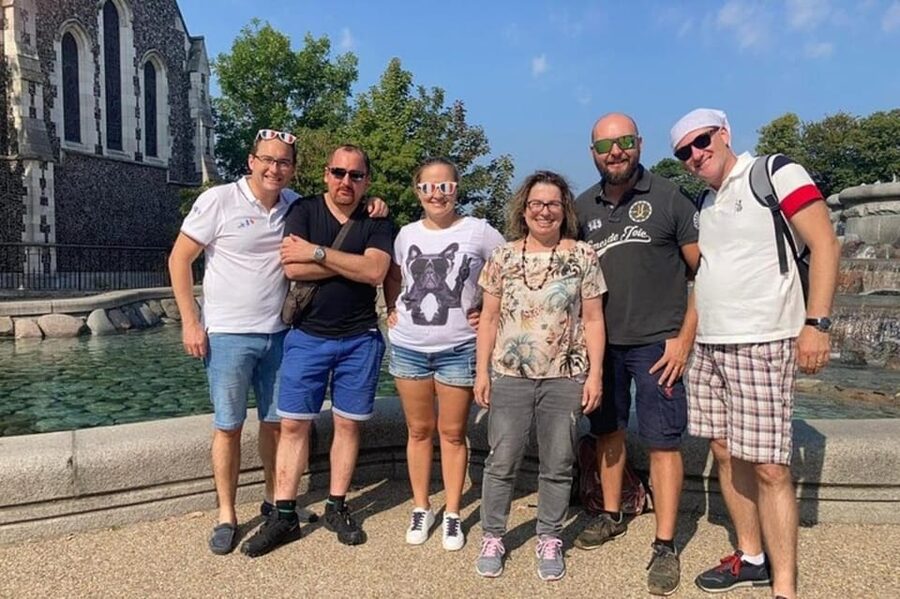
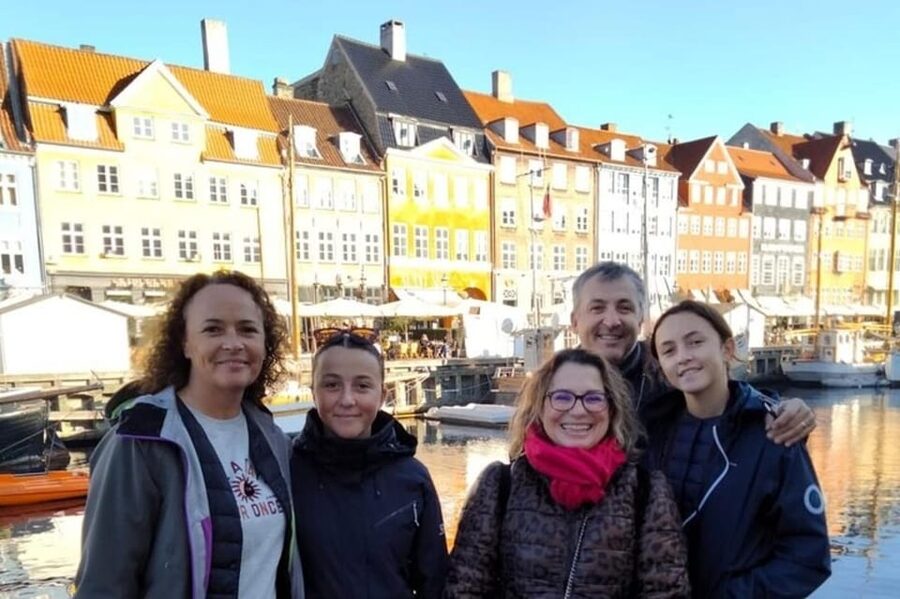
Nyhavn is the final listed stop, and it is a sensible place to finish. The waterfront is lined with colorful 17th and 18th-century townhouses, cafés, and the familiar row of harbor buildings that appears in so many Copenhagen photographs.
You will have time for sightseeing, photographs, and questions. I like reaching Nyhavn at the end because you can remain there afterward if you wish. The tour does not leave you at an awkward outlying location. You finish at one of the easiest places in the city to recognize and continue exploring.
Still, remember that Nyhavn can be the most crowded-feeling part of the route, particularly around the cafés and waterfront views. Your guide can help you see beyond the obvious image and may suggest where to continue for food or further sightseeing.
This is also where the tour’s title makes the most sense. Nyhavn is not unknown, but the guide’s local commentary can reveal details you would likely miss by taking a few quick pictures and moving on. The value lies in the explanation, not simply in reaching the harbor.
The Lur Blowers and Danish heritage
One of the more unusual details connected with the walk is the Lur Blowers monument beside City Hall. It is easy to overlook a monument when you are focused on palaces and waterfront buildings, so including it gives the route a cultural touch beyond the standard checklist.
The monument relates to Danish heritage, and your guide explains its role. This is the kind of stop I appreciate on a city walk. It may not be the sight you planned to see, yet it gives you a better sense of how Denmark presents its past and national identity.
The exact stop appears in the tour description, while the timed route also includes the major central landmarks. Ask your guide how the Lur Blowers fits into the walking sequence on your selected departure. The guide can clarify when you will see it and how much time the group will spend there.
What $58 buys you
At $58 per person, this is not the cheapest way to walk through Copenhagen. You can follow a map between Nyhavn, the palaces, and Strøget without paying for a guide.
The question is what you want from the walk. I think the price is reasonable if you value a three-hour, organized route with live commentary, multilingual support, and personal recommendations. You are paying to connect the sights efficiently and ask questions as you go.
The value improves for a first visit, a short weekend, or a cruise stop when you need a quick orientation. It is also stronger if you choose a private group and want the guide to adapt the tour to your interests.
The value is weaker if you already know central Copenhagen well or mainly want entry to royal buildings. No palace, church, or theatre admission is listed, so budget separately for any interiors you want to visit.
Free cancellation up to 24 hours before the start and reserve-now, pay-later booking also make it easier to fit into an uncertain schedule. Starting times depend on availability, so check the date and departure time before committing.
Which guide language and tour format fit you best?
Live guiding is available in English, French, Italian, and Spanish. That choice can make a real difference, especially when the tour includes historical references, Danish customs, and time for questions.
The guide names most strongly associated with praise are Simona, Mood, and Frédéric. Simona was repeatedly described as friendly, enthusiastic, patient, and tireless. Mood received praise in both English and French feedback, while Frédéric was noted for his friendly manner and explanations of Danish customs.
You cannot assume a particular guide will lead your departure, so choose the language that lets you ask questions comfortably rather than booking around a name. The strongest evidence here points to a consistently personable guiding style, but individual guide assignment can vary.
A private group is best if you want a custom pace or have a focused interest in architecture, royal life, food, or Danish culture. A shared tour is a good fit if you want the same central route and commentary while keeping the experience more social.
Who should book this Copenhagen walk?
I would recommend it most to first-time visitors who want to get oriented quickly. You see the central shopping street, political center, department store, theatre, church, royal palace, waterfront, and heritage monument in one outing.
It also suits couples, families, and short-stay visitors who want local suggestions for the rest of the trip. The guide’s restaurant advice and willingness to answer varied questions can help you turn three hours into a better plan for the next two days.
You may want something else if your priority is entering every major building. This is an outside-focused walking tour, and its strength is connection, explanation, and conversation rather than extended time inside one attraction.
The route is listed as wheelchair accessible, which makes it worth considering for visitors who need that assurance. For maximum flexibility, a private booking may be the better choice, though the supplied information does not specify how the route changes between options.
Should you book the Highlights and Hidden Gems Walking Tour?
Book it if you want a well-organized first look at central Copenhagen, especially if you have only a short stay and appreciate a guide who offers useful advice along the way. The route covers the city’s most recognizable places while also making room for the Lur Blowers monument and explanations of Danish customs.
I would skip it if you prefer self-guided wandering, have already explored the center, or want guaranteed interior access to Christiansborg, Amalienborg, or Frederiks Kirke. At $58, the tour earns its price through the guide and the efficient route, not through admissions.
For many visitors, that is the right trade. Copenhagen is easy to walk but more rewarding when someone helps you understand what you are seeing. This experience gives you the map, the main sights, and a useful set of ideas for what to do next.
FAQ
Where does the Copenhagen walking tour start?
The tour starts at Studiestræde 52 in Copenhagen.
How long does the walking tour last?
The tour lasts three hours.
What sights are included?
The route includes Strøget, Christiansborg Palace, Magasin du Nord, the Royal Danish Theatre, Amalienborg Palace, Nyhavn, and Frederiks Kirke. It also includes information about the Lur Blowers monument beside City Hall.
Is the tour private or shared?
You can choose a private or shared walking tour, depending on the option selected. Private groups are available.
Which languages are offered?
Live guiding is available in English, French, Italian, and Spanish.
Is the tour wheelchair accessible?
Yes. The activity is listed as wheelchair accessible.
Newly added in Copenhagen
- Castles of Kronborg and Frederiksborg from Copenhagen by Car★ 4.5 · 3 reviews
- Private Transfer Copenhagen Airport CPH to Copenhagen by Sedan★ 4.5 · 3 reviews
- Copenhagen: Old Town and Nyhavn Private Family Tour★ 4.7 · 3 reviews
- Copenhagen: Evening Gourmet Walk with Food & Drinks Tasting★ 5.0 · 3 reviews
- Copenhagen Craft BeerWalk City Center★ 4.4 · 3 reviews
- The Forgotten Giants Private Tour★ 5.0 · 3 reviews
- Copenhagen: Express Walk with a Local in 60 minutes★ 4.6 · 3 reviews
- Departure by Luxury Vehicule Copenhagen to Copenhagen airport CPH★ 5.0 · 3 reviews
Street Art & Hidden Gems Walks, compared.

Vesterbro Tour With Beer & Pub Visits – Max 10 People
Read our review →
Copenhagen Private Tour: Highlights & Hidden Gems by Bike or Foot
Read our review →
Politically Incorrect Beer Tasting Walking Tour
Read our review →Browse the lists this tour appears in