
Reviewed · GUIDED
Copenhagen: Guided Architecture and Sustainability Tour
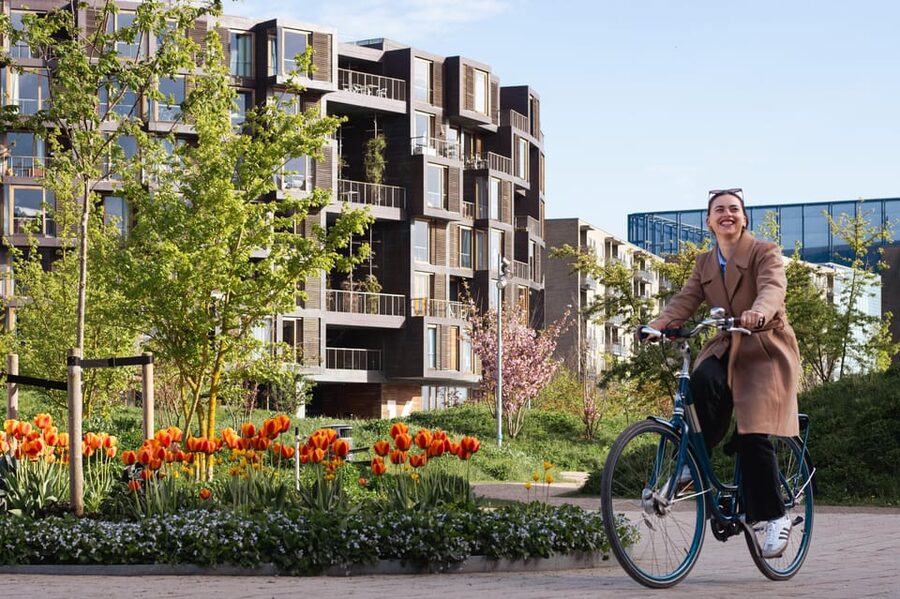
Copenhagen looks best from a bike. This three-hour ride links modern buildings, old industrial districts, harbor spaces, and green planning projects in a way a walking tour cannot. I like the focus on sustainability in daily life, not just on showy buildings, and I like that the route reaches places many first-time visitors would miss.
The guides add much of the value. Rene has been praised for his friendly safety focus, while Jörn, Josephine, John, and others have brought humor, local detail, and personal views about how Copenhagen grew into its present form. The main caution is practical: you cover about 17 kilometers, and one report noted that group management could be better when riders spread out.
In This Review
- Key points before you book
- Why a bicycle makes this Copenhagen tour work
- Starting at Tropical Bikes on Vester Voldgade
- Blox, Lille Langebro, and the harbor
- Ørestad and the Tietgen Residence Hall
- Amager Fælled and the Gemini Residence
- Cykelslangen and the Kaktus Towers
- Enghave Plads and Israels Plads
- The guides make the difference
- Is the $70 price fair?
- Who should book this ride?
- Should you book the Copenhagen Architecture and Sustainability Tour?
- FAQ
- How long is the Copenhagen Architecture and Sustainability Tour?
- How far do you cycle?
- What language is the tour offered in?
- Where does the tour start?
- What type of bike is included?
- Are children’s bikes available?
- Are helmets and rain protection included?
- Can I store luggage during the ride?
- Can I cancel for a full refund?
Key points before you book
- A 17-kilometer ride beyond the postcard center: You’ll visit harbor districts, Ørestad, Amager Fælled, and former industrial areas instead of staying around the usual royal sights.
- Architecture tied to real city life: The tour explains how buildings, bridges, swimming areas, public squares, and bicycle routes affect everyday Copenhagen.
- A strong modern-design focus: The route is best for people interested in 21st-century architecture and urban planning, with less attention to older architectural periods.
- Well-equipped bikes and a practical base: Helmets, rain ponchos, luggage storage, toilets, and a lounge are included at Tropical Bikes.
- Good guide-to-rider interaction: The guides stop often, explain what you are seeing, and make room for questions and photographs.
- Useful upgrades, but extra charges: E-bikes, child seats, cargo bikes, tandems, baskets, and phone holders cost more and may need advance booking.
Why a bicycle makes this Copenhagen tour work
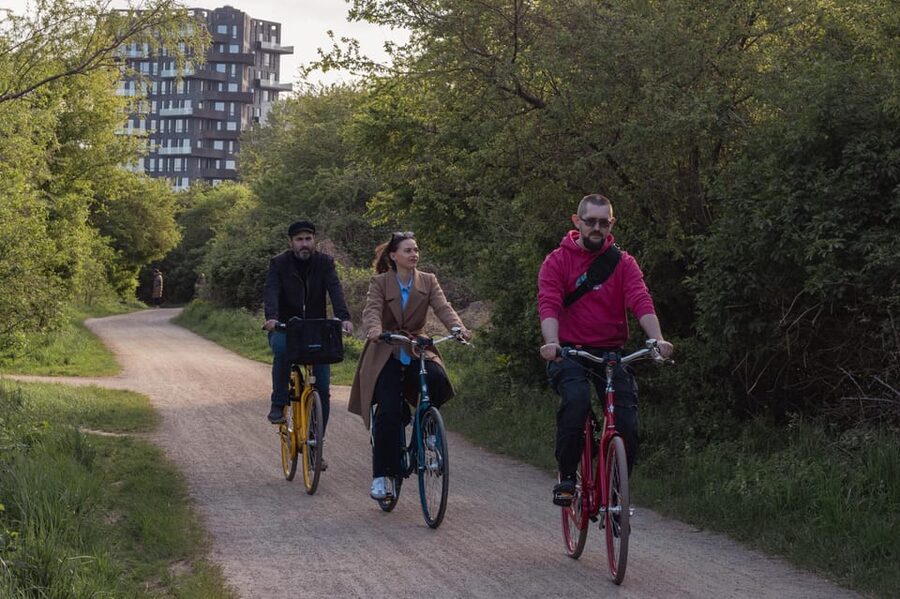
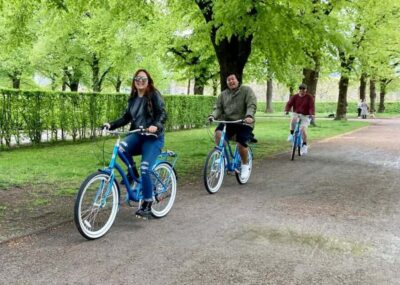
Copenhagen’s bicycle network is part of the subject, not merely the transport. You move between districts at street level, crossing bridges and following routes that show how the city gives bicycles a central place in urban planning.
That matters because Copenhagen’s newer architecture is spread across several areas. A walking tour could cover one neighborhood well, but this route lets you compare waterfront redevelopment, large modern housing projects, public squares, and open land in a single outing.
The ride is not a race. The schedule includes short guided stops at many locations, usually five or ten minutes each. That gives you time to hear the explanation and look around, though the number of stops means the pace may feel full rather than leisurely.
You should be comfortable cycling in an urban setting. The tour begins in all weather, so shoes that can handle rain and clothing suitable for changing conditions are sensible. A rain poncho is provided if needed, but Danish weather can still make a three-hour ride feel very different from the same ride on a sunny day.
A few more Copenhagen tours worth putting side by side
- Copenhagen: Canal Cruise with Guide
★ 4.6 · 9,115 reviews - Copenhagen: Highlights 3 Hour Bike Tour with a Local Guide
★ 4.8 · 2,312 reviews - Copenhagen Sightseeing Classic Canal Tour With Live Guide
★ 4.5 · 1,906 reviews
Starting at Tropical Bikes on Vester Voldgade
The listed meeting point is Tropical Bikes at Vester Voldgade 2A, though the exact starting point can vary with the option you book. The same shop is also listed as the main drop-off location.
This setup is useful. You can leave luggage in storage, use the toilets, and wait in the lounge before or after the ride. That is a small touch, but it makes the tour easier to fit into a travel day, especially if you have bags with you or are arriving before hotel check-in.
Bikes come in 48, 51, and 56 centimeter frame sizes. Children’s bikes are available in 24 and 26 inch frame sizes, but you need to reserve them beforehand. A helmet is included.
The standard bicycle should suit most riders who are comfortable on two wheels. If you want an e-bike, cargo bike, tandem, e-cargo bike, or child seat, arrange it ahead of time. Listed upgrade prices are 249 DKK for an e-bike, 449 DKK for a cargo or tandem bike, 649 DKK for an e-cargo bike, and 119 DKK for a child seat.
Baskets and phone holders are not included. Each can be purchased on site for 49 DKK. A phone holder is useful if you want to follow a map, but you do not need one for the guided route.
Blox, Lille Langebro, and the harbor
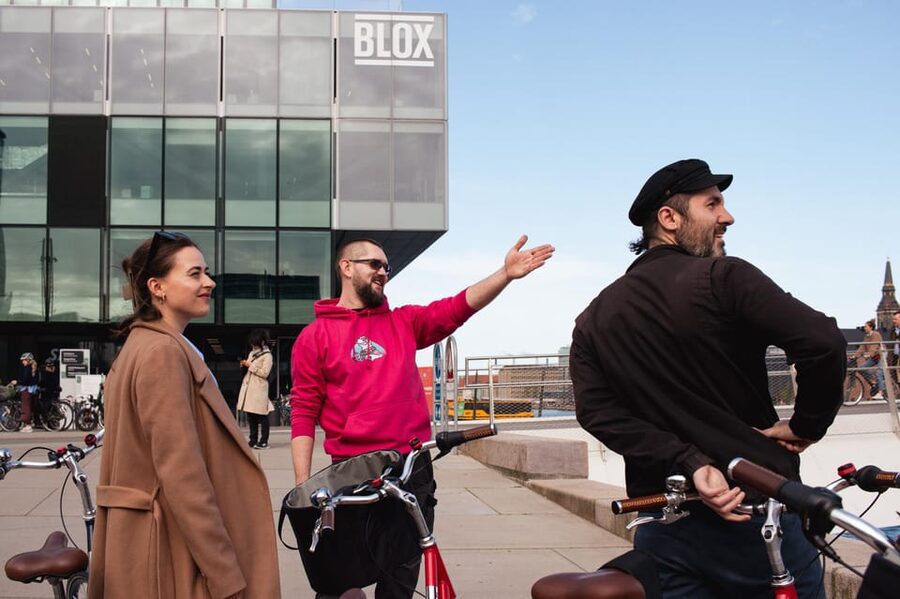
The first major stop is Blox, a modern cultural and architecture center beside Copenhagen’s harbor. The building gives the guide a useful opening point for explaining how the waterfront has changed and how new public buildings fit into the city.
From Blox, you continue to Lille Langebro. This bridge is a good example of how a piece of infrastructure can also become part of the city’s visual character. You get only a short guided stop here, so expect a focused explanation rather than a long architectural lecture.
The route then reaches Havnebadet Islands Brygge, the harbor bathing area. This stop helps connect design with public use. Instead of treating the water as a barrier or working zone, Copenhagen has made parts of the harbor available for recreation and city life.
The harbor section is one of the strongest parts of the tour because it shows change at a human scale. You are not just looking at façades. You are seeing how bridges, water access, public space, and nearby buildings work together.
Ørestad and the Tietgen Residence Hall
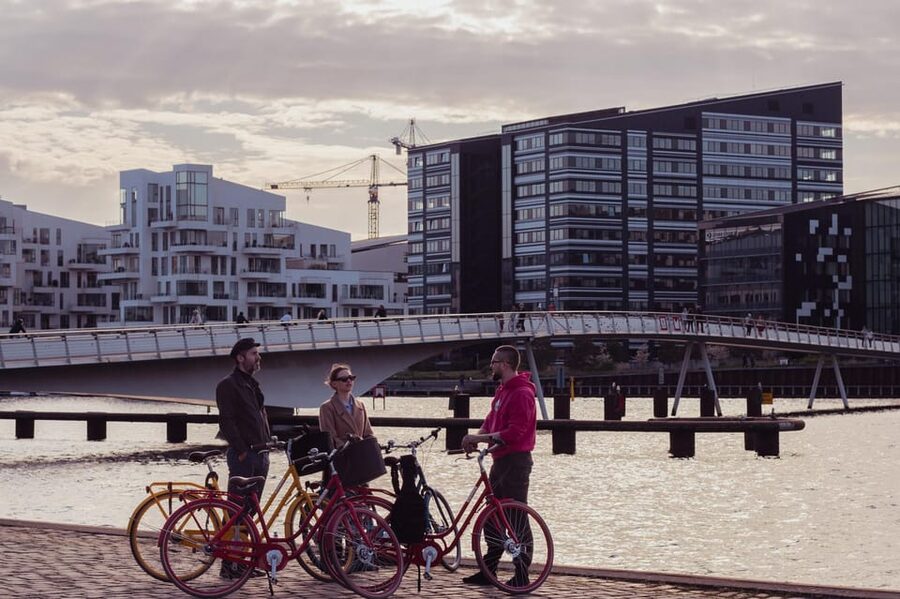
The ride continues toward Ørestad, one of Copenhagen’s clearest examples of planned modern development. You see the area from the bike rather than from a single viewing platform, which makes it easier to understand how the buildings sit alongside roads, paths, and open spaces.
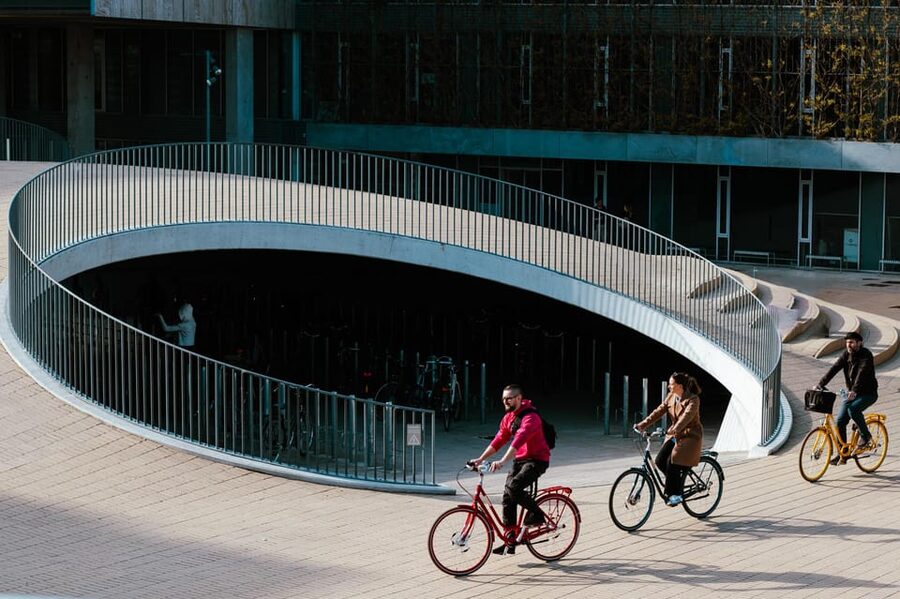
The route includes scenic views on the way, followed by a stop at the Tietgen Residence Hall. Its distinctive circular form makes it one of the memorable buildings on the tour. The guide can use it to discuss student housing, shared space, and the way an ambitious design can support community rather than simply provide private rooms.
Architecture enthusiasts will get the most from this portion. The tour does not only point out unusual shapes. It explains the thinking behind them and asks how a building serves the people who live there.
Still, Ørestad is a modern district, so the experience can feel less intimate than central Copenhagen. If you prefer old streets, historic interiors, and traditional façades, this section may not be your favorite. The tradeoff is a clearer look at Copenhagen’s newer ideas.
A different way to spend the same afternoon in Copenhagen:
- Copenhagen: Hop-On Hop-Off Bus Tour with Boat Tour Option
★ 3.9 · 4,122 reviews - Private Walking Grand Tour of Copenhagen
★ 5.0 · 3,953 reviews - From Copenhagen: Lund and Malmö 2-Country Tour
★ 4.7 · 2,772 reviews - Copenhagen Highlights Walking Tour
★ 5.0 · 2,324 reviews
Amager Fælled and the Gemini Residence
After Tietgen Residence Hall, the route reaches Amager Fælled. This open area brings a different kind of planning into view. Here, the subject is not only what the city builds, but also what it chooses to leave open.
That change of setting is valuable. After several large structures and engineered public spaces, the ride gives you a broader view of how natural areas fit into the city’s future. One guide described the route as including both urban and rural surroundings, and this is the section where that contrast becomes most apparent.
The next stop is E/F Gemini Residence, a converted industrial structure by the water. Its rounded form reflects Copenhagen’s habit of adapting former working spaces for new uses. The building helps explain why waterfront redevelopment is more complicated than simply adding attractive apartments.
You will hear about the tension between preservation, new housing, design, and public access. The tour presents Copenhagen’s planning choices as an ongoing process, not a finished success story. That honesty is useful, since sustainable planning often involves compromises.
Cykelslangen and the Kaktus Towers
Cykelslangen, or the Bicycle Snake, is a short scenic cycling section rather than a long lecture stop. The raised bicycle route gives you a direct sense of how Copenhagen separates bicycle movement from other traffic in selected areas.
This is one of the moments when the transport itself becomes part of the lesson. You are not just hearing that bicycles matter in Copenhagen. You are using infrastructure designed to make cycling more direct and comfortable.
The route then passes the Kaktus Towers. Their unusual forms make them easy to remember, and the guide uses them to discuss contemporary residential design. You can expect a brief explanation and time to take in the buildings, rather than an extended indoor visit.
Bring a little patience for stopping and starting. With many short stops, the rhythm is: ride, gather, listen, look, and ride again. That format works well if you like a guided overview, but it may feel less satisfying if you want long stretches of uninterrupted cycling.
Enghave Plads and Israels Plads
Enghave Plads brings the tour back toward a neighborhood public square. This stop shows how a former or redesigned urban space can support local activity while fitting into a wider bicycle and pedestrian network.
It is a useful contrast with the large-scale projects in Ørestad. Here, the focus feels closer to ordinary city life: how people move through a square, meet friends, use public space, and live around contemporary design.
The final stop is Israels Plads, a public space with a strong connection to the city’s older fabric and newer environmental goals. The guide explains how the area has been transformed while still respecting its place in Copenhagen’s story.
The finish gives the tour a sensible arc. You begin with the harbor’s changing identity, travel through newer development and open land, then return to central public spaces. You leave with a better sense of Copenhagen as a city that keeps adjusting its streets and buildings around daily life.
The guides make the difference
This tour depends heavily on the person leading it. The strongest departures have featured guides such as Rene, Jörn, and Josephine, each praised for clear explanations, warmth, humor, and attention to rider comfort.
Rene has been noted for making sure everyone felt safe on the bicycle. Jörn brought extra detail about the choices Copenhagen made on its way to becoming a more sustainable city. Josephine combined architectural knowledge with jokes, which is welcome during a long ride with repeated stops.
You should ask questions when something catches your attention. The guides offer personal accounts, not just a list of dates and building names. That is especially helpful when the subject is sustainability, since the same project can involve housing, transport, public access, energy use, and arguments about land.
There is one useful warning. A report from a four-star departure described weak group management, with some riders getting lost. That appears to be an exception among the supplied feedback, but you should still stay aware of the group and follow the guide’s instructions at intersections.
The tour is available in English and German. Private groups are also offered, which could be a good choice if you want a slower pace, more questions, or a route tailored to your group’s interests.
Is the $70 price fair?
At $70 per person, this is not the cheapest way to rent a bicycle for three hours. The price makes more sense when you count the guide, helmet, bike, rain poncho, luggage storage, lounge access, and the time saved planning a route across several districts.
A self-guided ride would cost less, but you would need to identify the buildings, understand the planning choices, and connect the different neighborhoods yourself. This tour gives you that framework in one outing.
The value is strongest for architecture fans, urban-design students, first-time visitors who want a different side of Copenhagen, and anyone interested in sustainable transport. It is less compelling if your main goal is to see royal Copenhagen, famous churches, museums, or the city’s classic historic streets.
You should also budget for extras if needed. Baskets and phone holders cost 49 DKK each, while specialty bicycles and child seats carry additional fees. Families should reserve children’s bikes and any special equipment in advance.
Who should book this ride?
You should book if you can comfortably ride a bicycle for three hours and want to understand how Copenhagen functions, not just photograph its best-known sights. The route suits curious riders who enjoy modern buildings, public spaces, harbor redevelopment, and the practical side of city planning.
It is also a good choice for returning visitors. The tour reaches areas you might not choose on a first walk through the center, including Amager Fælled, Ørestad, and the former industrial waterfront.
Families can join if the children can manage the distance and suitable bikes are reserved. The availability of 24 and 26 inch children’s bikes helps, while the child-seat option gives parents another choice for younger children.
You should skip it if you cannot ride a bike, dislike cycling in a city, or want a slow architecture walk with long time inside buildings. The tour is outdoors, runs in any weather, and covers a considerable distance.
The cancellation policy gives you some flexibility: you can cancel up to 24 hours before departure for a full refund, and you can reserve now and pay later. Check the starting time and meeting point for your selected option, since these can vary.
Should you book the Copenhagen Architecture and Sustainability Tour?
Book it if you want modern Copenhagen explained through movement. The best parts are the harbor, bicycle infrastructure, Ørestad, and the way the guide connects bold buildings with housing, public space, and environmental choices.
Do not book it expecting a broad survey of Copenhagen’s entire architectural past. The emphasis is firmly on newer design and urban planning, and one departure specifically found the coverage of earlier architecture limited.
For $70, I think the tour offers good value when the guide is strong and the weather cooperates. Rene, Jörn, Josephine, and the other praised guides have helped make it friendly, clear, and personal. Bring practical clothing, stay with the group, and reserve any child or specialty bike before arrival. If that sounds like your kind of Copenhagen, this is a smart way to spend three hours.
FAQ
How long is the Copenhagen Architecture and Sustainability Tour?
The tour lasts three hours.
How far do you cycle?
You cycle roughly 17 kilometers in total.
What language is the tour offered in?
The live tour is offered in English and German.
Where does the tour start?
The meeting point may vary depending on the option booked. Tropical Bikes at Vester Voldgade 2A is listed as a starting and drop-off location.
What type of bike is included?
Standard bikes are included in 48, 51, and 56 centimeter frame sizes.
Are children’s bikes available?
Yes. Children’s bikes with 24 and 26 inch frames are available, but they must be reserved beforehand.
Are helmets and rain protection included?
Yes. A helmet and a rain poncho in case of rain are included.
Can I store luggage during the ride?
Yes. Luggage storage, toilets, and a lounge before and after the tour are included at Tropical Bikes.
Can I cancel for a full refund?
Yes. You can cancel up to 24 hours in advance for a full refund. You can also reserve now and pay later.
Newly added in Copenhagen
- Private Transfer Copenhagen Airport CPH to Copenhagen by Sedan★ 4.5 · 3 reviews
- Castles of Kronborg and Frederiksborg from Copenhagen by Car★ 4.5 · 3 reviews
- Copenhagen: Old Town and Nyhavn Private Family Tour★ 4.7 · 3 reviews
- Copenhagen: Evening Gourmet Walk with Food & Drinks Tasting★ 5.0 · 3 reviews
- The Forgotten Giants Private Tour★ 5.0 · 3 reviews
- Copenhagen Craft BeerWalk City Center★ 4.4 · 3 reviews
- Copenhagen: Express Walk with a Local in 60 minutes★ 4.6 · 3 reviews
- Departure by Luxury Vehicule Copenhagen to Copenhagen airport CPH★ 5.0 · 3 reviews
Guided, compared.
Highlights 3 Hour Bike Tour with a Local Guide
Read our review →
Copenhagen Sightseeing Classic Canal Tour With Live Guide
Read our review →
Copenhagen Highlights 3 Hour Bike Tour with local Guide
Read our review →

Guided Party Pub Crawl with 4 Shots and 1 Drink
Read our review →Browse the lists this tour appears in