

Reviewed · HOP-ON HOP-OFF BUS TOURS
Copenhagen: City Card with 40+ Attractions & Hop-On/Off Bus
A smart way to see Copenhagen. This digital city card pairs 40-plus attractions with unlimited Stromma hop-on hop-off buses, giving you a simple way to move between palaces, museums, gardens, and waterfront sights. I especially like the freedom to choose your own order, and the bus audio guide helps you get your bearings without arranging a formal tour.
I also like the mix of big-name sights and smaller museums. Tivoli Gardens, Rosenborg Castle, Christiansborg Palace, the National Gallery, Copenhagen Zoo, and Canal Tours Copenhagen all sit alongside places such as the Medical Museion and Storm Museum for Humor and Satire. The main drawback is planning: many museums close on Mondays, several attractions have changing hours, and the card clock starts the moment you activate it.
In This Review
- Key points to know before you buy
- How the Copenhagen Card works in real life
- Starting with the Stromma bus routes
- Tivoli Gardens and Copenhagen’s lighter side
- Rosenborg, Amalienborg, and Christiansborg
- Museums for art, design, and Danish culture
- Special-interest museums that reward curiosity
- Canal Tours Copenhagen and the city from the water
- Churches, towers, and architectural stops
- Copenhagen Zoo and family-friendly choices
- Is $94 good value?
- Timing, closures, and the best way to plan
- Who should buy the Copenhagen Card
- FAQ
- How long is the Copenhagen Card valid?
- How do I activate the Copenhagen Card?
- Can I use the booking voucher as the card?
- How many attractions are included?
- Can I visit an attraction more than once?
- Are the hop-on hop-off buses included?
- How many bus routes are available?
- Are the buses available every day of the year?
- Can children use the Copenhagen Card?
- Should you book it?
Key points to know before you buy
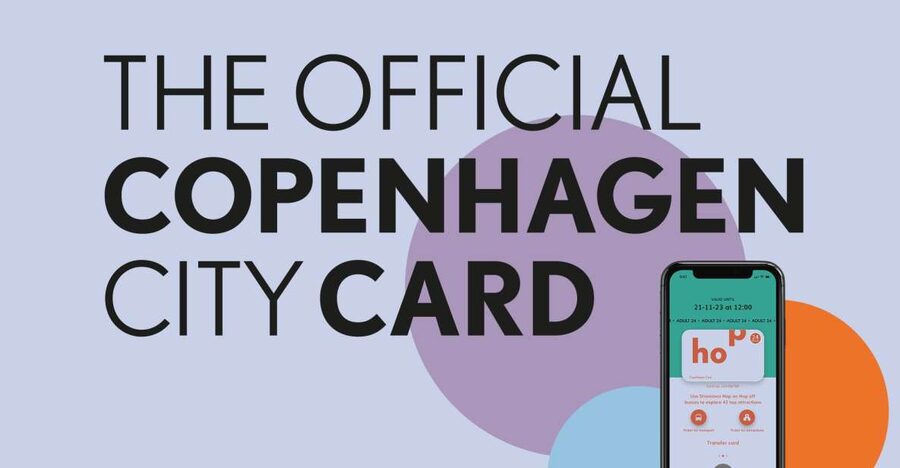
- One card covers more than 40 attractions, including Tivoli Gardens, Rosenborg Castle, Amalienborg Palace, Christiansborg, and several specialist museums.
- Three Stromma bus routes let you move around Copenhagen by hopping on and off as often as you like while your card remains valid.
- The Classic Copenhagen route runs all year, while the Urban Green Copenhagen and Colorful Copenhagen routes are seasonal.
- The card is completely digital, so you activate it in the Copenhagen Card app rather than using the booking voucher as admission.
- One visit per attraction is allowed, so plan carefully instead of assuming you can return later.
- The $94 price can work well for a busy sightseeing schedule, but it makes less sense if you prefer a slow museum visit or only plan to see two or three sights.
How the Copenhagen Card works in real life
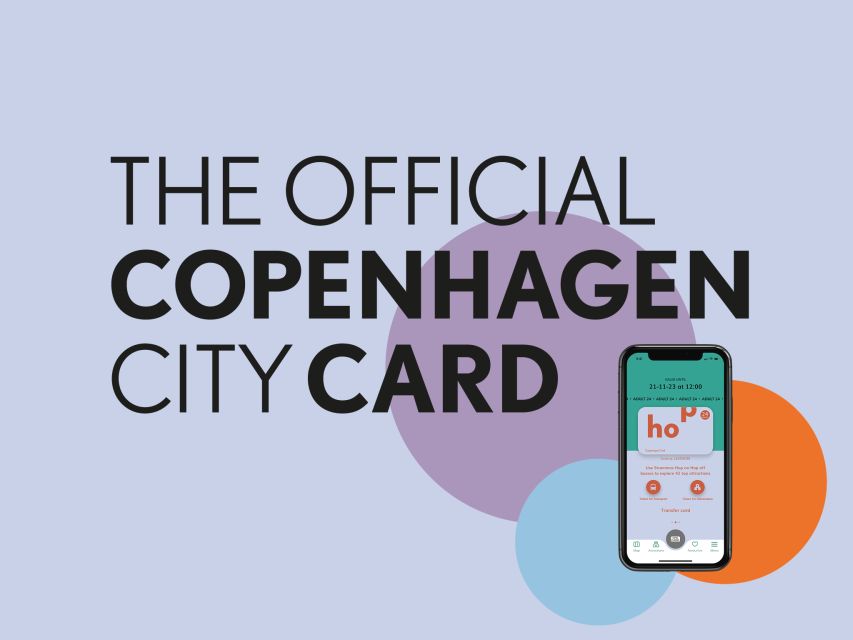
You receive a digital Copenhagen Card and redeem it in the Copenhagen Card City Guide app. You then decide when to activate it. This matters because the validity period begins at activation and cannot be undone.
The available duration is one, two, or three days. A one-day card suits a tightly planned visit. A two or three-day card gives you more breathing room, especially if you want to combine major museums with palace interiors, Tivoli, and a canal tour.
I would activate the card early in the day only if you are ready to start sightseeing. If you activate it the night before, you lose part of the useful period. Keep your phone charged, since the card is not a physical pass and the voucher itself cannot be used for entry.
The card allows one visit to each included attraction. That rule is easy to overlook. If you visit the National Museum in the morning, you cannot use the same card to return later that afternoon. This encourages a clear plan, but it also means you should avoid activating the card until you have checked opening hours.
More hop-on hop-off routes in Copenhagen:
- Copenhagen: Hop-On Hop-Off Bus Tour with Boat Tour Option
★ 3.9 · 4,122 reviews - City Sightseeing Copenhagen Hop-On Hop-Off Bus Tour
★ 3.5 · 800 reviews - Copenhagen: City Sightseeing Hop-On Hop-Off Bus Tour
★ 4.3 · 709 reviews
Starting with the Stromma bus routes
The hop-on hop-off buses are the transport backbone of this experience. You can use them as often as you like while the card is valid, moving from one attraction to another without buying separate bus sightseeing tickets.
The Classic Copenhagen route operates daily throughout the year. The other two routes follow the seasons. Urban Green Copenhagen and Colorful Copenhagen run daily from May 5 through September 3. Outside that period, they operate Friday through Sunday from March through May 4 and from September through December.
That schedule is important. If you visit in winter, do not assume all three routes will be running every day. The Classic route is the dependable option, while the seasonal services may add useful coverage only on selected dates.
The buses include an audio guide in multiple languages, listed as 12 language options in the included details. It gives you background as you ride and helps turn the transfer between sights into part of the sightseeing. I would use the bus first for orientation, then hop off when a stop matches your day’s plan.
The buses are not a replacement for walking. Copenhagen is best enjoyed at street level, where you can notice the architecture, bicycles, canals, and everyday city life. Think of the bus as a time-saving link between areas, not as the whole experience.
Tivoli Gardens and Copenhagen’s lighter side

Tivoli Gardens is one of the biggest draws included with the card. It offers a change of pace from royal rooms and formal museums, with rides, gardens, and entertainment in one central setting.
It is especially useful for families or for anyone who wants a less serious stop during a full sightseeing day. You can also use it as an evening visit if the opening schedule allows, but check the current hours before activating your card around it.
The catch is that an included attraction is not always the same as a full day’s value for every person. If amusement parks are not your priority, you may prefer to spend your card time at Copenhagen’s palaces and museums. Check what admission includes at the time of your visit, since attraction details can change.
Rosenborg, Amalienborg, and Christiansborg

Copenhagen gives you several strong royal stops, and the card makes it easier to build a palace-focused day.
Rosenborg Castle is the intimate choice. Its appeal comes from the setting and the sense of royal life in a smaller castle environment. It works well with nearby museum visits and is a good first major stop if you want history without committing to a huge building.
Amalienborg Palace offers another view of Denmark’s monarchy. The palace visit helps connect Copenhagen’s ceremonial identity with its central streets and grand architecture. Since opening times can vary, check the official schedule before you go.
Christiansborg Palace gives you several different experiences under one name. The Royal Reception Rooms show the formal side of the complex. The Royal Kitchen provides a more practical look at palace life, while the ruins under Christiansborg reveal earlier layers beneath the current building.
That range makes Christiansborg especially useful for card holders. You can choose the part that fits your interests instead of treating the palace as a single stop. Allow enough time to understand the separate admission points and schedules, and do not assume every section is open whenever the main complex is open.
A few more Copenhagen tours worth putting side by side
- Copenhagen: 3-Hour City Highlights Bike Tour with Guide
★ 4.7 · 1,239 reviews - Copenhagen: Group Walking Tour – City Highlights – 2 Hours
★ 4.7 · 1,088 reviews - 3-hour Copenhagen City Highlights Bike Tour
★ 5.0 · 757 reviews - Copenhagen: 1.5-Hour City Highlights Bike Tour
★ 4.6 · 477 reviews
Museums for art, design, and Danish culture

The card covers a strong group of cultural institutions, so you can shape the day around your own interests.
The National Museum is the broad choice for Danish culture and history. The SMK, the National Gallery of Denmark, is the natural pick if you prefer painting and visual art. Glyptoteket adds another art-focused stop, while Thorvaldsens Museum offers a more specific museum experience.
Design fans have two clear choices. The Danish Architecture Center focuses on the built world, while Design Museum Denmark looks at design and objects. These are worthwhile additions if you want to understand how Danish ideas appear in buildings, furniture, and daily life rather than only in royal monuments.
The Black Diamond and Kunsthal Charlottenborg offer further cultural stops, while Copenhagen Contemporary and Nikolaj Kunsthal give you more modern and changing exhibition spaces. Exact exhibitions and hours can change, so treat these as options to verify rather than fixed promises.
I would not try to visit all of these in one day. Pick one major art museum, one design or architecture stop, and one lighter attraction. That gives you variety without turning the card into a race.
Special-interest museums that reward curiosity

Some of the best choices here are not the obvious headline attractions.
The Medical Museion offers a different look at science and the human body. The Museum of Danish Resistance explores Denmark’s resistance story, while the Workers Museum focuses on working life and social history.
For something less formal, Storm Museum for Humor and Satire adds a playful break. Ripley’s Believe It or Not and the Hans Christian Andersen Experience appeal to families and anyone who likes unusual displays. The Guinness World Records Museum adds another easygoing stop in the same broad category.
These smaller museums can be valuable when the weather turns poor or when you need a shorter visit between larger attractions. They also help balance the grand palaces with more personal subjects. I would check each museum’s hours before setting out, since about half of the included attractions are closed on Mondays.
Canal Tours Copenhagen and the city from the water

Canal Tours Copenhagen, operated by Stromma, gives you a different view of Copenhagen’s buildings and waterfront. From the water, the city’s architecture reads differently, and the ride offers a welcome rest after several indoor stops.
This is a good place to use the card’s flexibility. You can schedule a canal tour between museums instead of forcing yourself through another exhibition when you are tired. Check whether a time slot is recommended before you arrive, since some attractions require advance booking.
The canal tour also works well early in your visit. It can help you understand the shape of the central city before you begin choosing which districts deserve more time on foot.
Churches, towers, and architectural stops

The Church of Our Saviour is included and gives the card a strong architectural and religious sight. The Danish Architecture Center adds context for the city’s built environment, while Copenhagen Contemporary and the city’s art halls show more recent creative work.
The attraction list also includes the Museum of Copenhagen and Cisternerne. These offer a change from the familiar palace circuit and can suit repeat visitors who have already seen Copenhagen’s best-known monuments.
Do not judge these stops only by their names. Their value depends on your interests and the current exhibitions. I would look at the day’s opening hours each morning, then choose two or three places that fit together geographically or by subject.
Copenhagen Zoo and family-friendly choices

Copenhagen Zoo is one of the card’s larger attractions and may require more time than a small museum. It makes the most sense for families, animal lovers, or anyone spending several days in the city.
The card also gives adults traveling with children a practical benefit. Each adult cardholder can bring two children aged 0 to 11. Children aged 3 to 11 must have their own cards, so check the age rules carefully when planning a family booking.
For a mixed-age day, combine the zoo with a shorter museum or use Tivoli as the second major stop. Young children may not have the patience for several palace interiors in a row, while older children might enjoy Ripley’s, the Guinness World Records Museum, or the Hans Christian Andersen Experience.
Is $94 good value?
The price is $94 per person, with validity from one to three days depending on the option selected. Since individual admission prices are not provided here, I cannot promise a specific saving. The sensible approach is to list the attractions you genuinely want, check their current admission costs, and compare the total with the card price.
The card earns its keep when you visit several paid attractions in a short period and use the buses between them. A strong day might include a palace, a museum, a canal tour, and Tivoli, provided the opening hours line up.
The value is weaker if you dislike fixed schedules, prefer long unhurried museum visits, or plan to see only a couple of places. You are paying for access and convenience, not just admission. The bus service matters most when it saves time and reduces the need to arrange transport from one area to another.
Remember the one-visit rule. Re-entry is not possible, so the card favors variety over repeat visits. If you want to return to your favorite museum, individual tickets may suit you better.
Timing, closures, and the best way to plan
Start by checking the official website for every attraction you care about. Opening hours change with the season, special events can affect access, and several locations close on public holidays.
Monday needs special attention. Many museums are closed, so a Monday card should focus on attractions that are open, the Classic Copenhagen bus route, Tivoli if operating, and other available stops. Do not build your entire card plan around museums without checking first.
I would make a short list for each day:
- One major palace or large museum
- One smaller museum or specialist attraction
- One bus or canal ride
- One flexible stop, such as Tivoli or a family-focused museum
That plan leaves room for lunch, walking, and the occasional closed door. Copenhagen rewards a relaxed pace, and the card works better when you use its choices rather than trying to conquer every included sight.
Who should buy the Copenhagen Card
This suits first-time visitors who want a broad introduction to Copenhagen in one to three days. It is also useful for families, since the attraction range covers palaces, gardens, museums, a zoo, buses, and unusual collections.
I would also consider it for a rainy-weather trip. The many indoor museums give you plenty of alternatives, while the buses reduce the need to cross the city on foot between stops.
It is less suitable for a slow weekend built around cafés, neighborhood walks, and one favorite museum. It may also disappoint if you visit outside the seasonal bus schedule and expect all three routes to operate daily.
FAQ
How long is the Copenhagen Card valid?
You can choose a Copenhagen Card valid for one, two, or three days. Check the available option when booking.
How do I activate the Copenhagen Card?
Redeem the digital card in the Copenhagen Card City Guide app. Activate it when you are ready to begin sightseeing, since the validity period starts at activation.
Can I use the booking voucher as the card?
No. The voucher cannot be used as admission. You must activate the digital card in the Copenhagen Card app.
How many attractions are included?
The card includes free access to more than 40 attractions in central Copenhagen. The included attractions are revised regularly.
Can I visit an attraction more than once?
No. The Copenhagen Card allows one visit per attraction, regardless of the card type. Re-visits are not possible.
Are the hop-on hop-off buses included?
Yes. The card includes unlimited access to Stromma’s hop-on hop-off buses while your card is valid.
How many bus routes are available?
Three bus routes operate around Copenhagen. The Classic Copenhagen route runs daily all year. Urban Green Copenhagen and Colorful Copenhagen operate seasonally.
Are the buses available every day of the year?
The Classic Copenhagen route runs daily throughout the year. The other two routes run daily from May 5 through September 3, and Friday through Sunday during the other listed seasonal periods.
Can children use the Copenhagen Card?
Each adult cardholder can bring two children aged 0 to 11. Children aged 3 to 11 must have their own cards.
Should you book it?
I would book this card if you want to visit several paid attractions in a short stay and appreciate having the Stromma buses included. The strongest plan combines one or two royal sights with a museum, a canal tour, and either Tivoli, the zoo, or a lighter specialist museum.
I would skip it if your Copenhagen visit is mainly about wandering, cafés, and slow days. Before buying, check Monday closures, seasonal bus dates, current attraction hours, and the admissions for your personal must-sees. If those places add up close to $94 and you will use the buses, the card offers useful value and a very practical way to organize Copenhagen.
Newly added in Copenhagen
- Castles of Kronborg and Frederiksborg from Copenhagen by Car★ 4.5 · 3 reviews
- Private Transfer Copenhagen Airport CPH to Copenhagen by Sedan★ 4.5 · 3 reviews
- Copenhagen: Old Town and Nyhavn Private Family Tour★ 4.7 · 3 reviews
- Copenhagen: Evening Gourmet Walk with Food & Drinks Tasting★ 5.0 · 3 reviews
- Copenhagen Craft BeerWalk City Center★ 4.4 · 3 reviews
- The Forgotten Giants Private Tour★ 5.0 · 3 reviews
- Copenhagen: Express Walk with a Local in 60 minutes★ 4.6 · 3 reviews
- Departure by Luxury Vehicule Copenhagen to Copenhagen airport CPH★ 5.0 · 3 reviews
Hop-On Hop-Off Bus Tours, compared.

Hop-On Hop-Off Bus Tour with Boat Tour Option
Read our review →
City Sightseeing Copenhagen Hop-On Hop-Off Bus Tour
Read our review →


Copenhagen Highlights Hop-On Hop-Off Bus – Classic Copenhagen
Read our review →Browse the lists this tour appears in